Seattle Slab Jack LLC
Sunken Concrete Repair for Driveways and Sidewalks
Repair sunken driveways, sidewalks, patios, steps, and garage slabs with polyurethane concrete lifting. Request a free inspection in Greater Seattle.
Sunken concrete can create uneven transitions, collect water, and turn an everyday walkway into a trip point. When the slab itself is still in usable condition, it may be possible to lift and support it without demolition and replacement.
Seattle Slab Jack repairs settled driveways, sidewalks, patios, steps, porches, and garage slabs across Greater Seattle. We use controlled polyurethane foam injection to fill accessible voids beneath the concrete and move the slab toward a safer, more functional elevation.
Find Out Whether Your Slab Can Be Lifted
Request a Free On-Site Inspection
Signs Your Concrete May Be a Good Candidate for Lifting
Concrete lifting is intended for slabs that have settled but remain structurally usable. An on-site inspection is the best way to determine whether the method fits your property. Common signs include:
- One section of a driveway or sidewalk sits lower than the adjoining slab.
- A patio, porch, or step has pulled away from its original elevation.
- Water collects near a settled edge or flows toward the building.
- A garage slab has a low area or an uneven transition at the entrance.
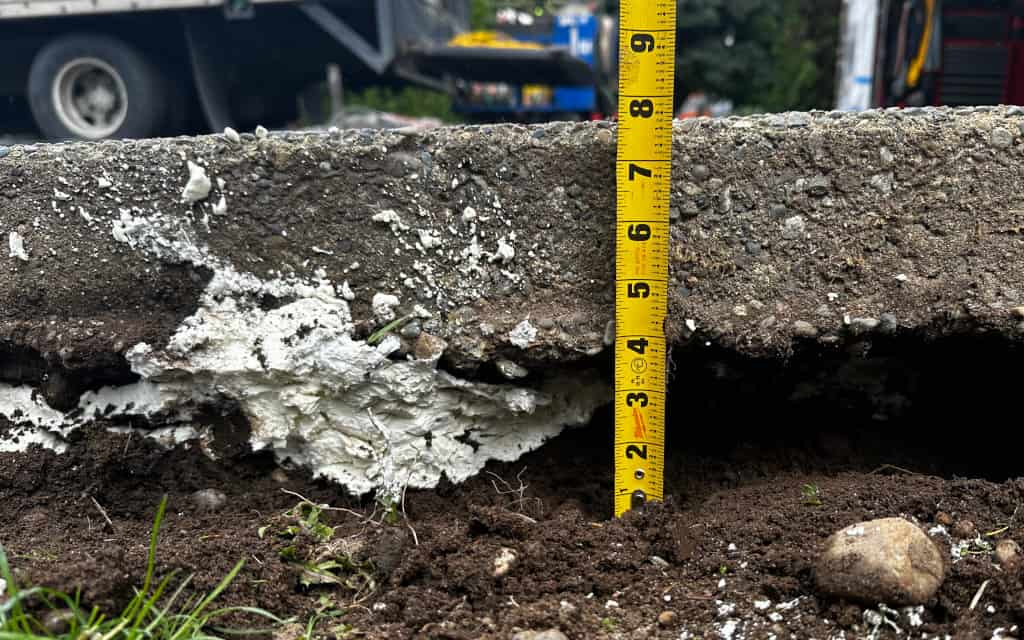
- Voids are visible beneath the edge of an otherwise intact slab.
Concrete that is severely broken, crumbling, or damaged across most of its surface may need partial or full replacement instead. We evaluate the condition of the slab, the amount of movement needed, access around the work area, and the likely cause of settlement before recommending a repair.
Concrete Lifting Reviews from Google
“Maxim and Eric did a great job lifting sidewalk slabs for our condos, I really appreciate the quality work and professionalism!”
“Maxim and Eric did a SUPERB job lifting our porch four inches as a result of previous settling. They were professional and went above and beyond to finish the job!”
“To Whom it may conceren, My wife and I here at Lake Desire have had the privilege of hiring Maxim Derkachev and partner to fix our patio at our home. Their work was great and we appreciate their politeness and helpfulness. Three cheers to these two workmen.”
Concrete Surfaces We Repair
Driveways and Garage Floors
Settled driveway panels can create a sharp transition at the garage, sidewalk, or street-facing edge. Lifting may restore a smoother approach while preserving concrete that is still serviceable. For repairs focused specifically on vehicle surfaces, see our driveway repair service.
Sidewalks and Walkways
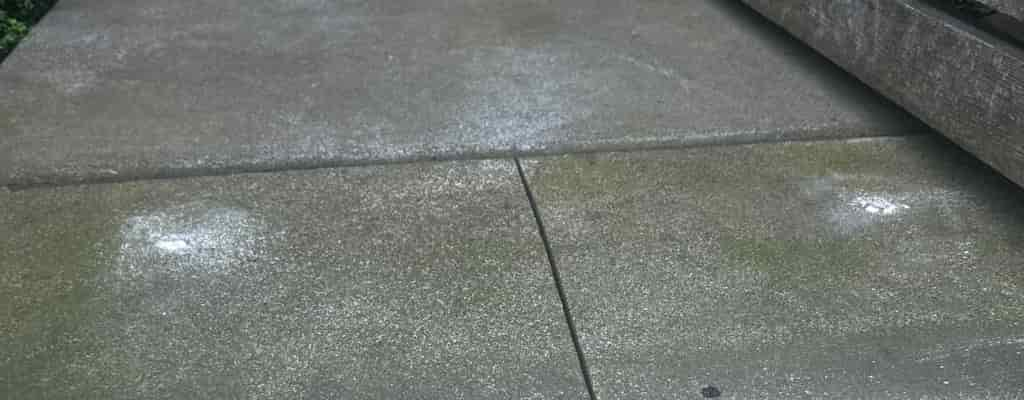
An uneven sidewalk can create a trip point between adjacent panels. Polyurethane lifting uses small injection holes to raise selected sections without removing the entire walkway.
Patios, Porches, and Steps
Outdoor living areas often settle where supporting soil was disturbed during construction or later affected by water movement. We assess the slab and adjoining structures before lifting so the repair plan reflects the available clearance and drainage conditions.
Basement and Interior Slabs
Some garage, basement, and other interior slabs can be stabilized or lifted when access and site conditions allow. Interior work requires a project-specific assessment because walls, utilities, floor coverings, and load-bearing elements can affect the repair approach.
Why Concrete Settles
A slab depends on the material beneath it for support. If that support changes, part of the concrete can move downward even when the slab remains intact. Common causes include:
- Poorly compacted fill: Soil placed during construction can consolidate over time.
- Water movement: Drainage problems, runoff, or leaking water lines can carry fine soil away and create voids.
- Soil drying or erosion: Changes in moisture can reduce support beneath part of a slab.
- Added loads: Repeated or concentrated weight can contribute to settlement where the base is already weak.
Lifting corrects the slab elevation; it does not automatically eliminate every source of water or soil movement. If drainage or a leak contributed to the problem, that condition may also need to be corrected.
Concrete Lifting or Replacement?
Lifting is usually worth considering when the existing concrete is largely intact and the main problem is settlement. It preserves the slab, requires limited access, and avoids the demolition involved in a complete tear-out.
Replacement may be more appropriate when concrete is extensively cracked into loose sections, badly deteriorated, incorrectly reinforced for its use, or needs a completely new shape or finish. A repaired slab can retain existing cracks, surface wear, color variation, or cosmetic damage; lifting is designed to improve support and elevation, not make old concrete look newly poured.
For a detailed overview of the injection material, visit polyurethane slab jacking. You can also review our Seattle-focused concrete leveling service area and local guidance.
How Polyurethane Concrete Lifting Works
1. Inspect and Measure
We examine the affected slabs, measure the elevation differences, look for visible voids and drainage concerns, and prepare a project-specific proposal.
2. Drill Injection Points
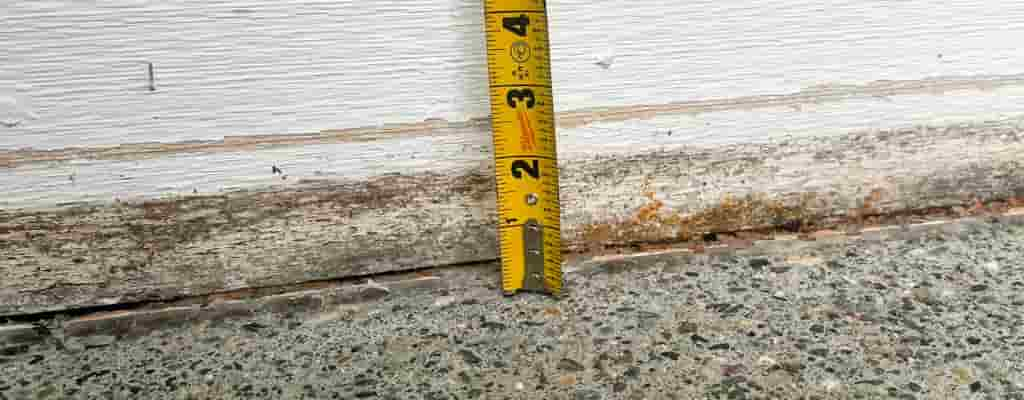
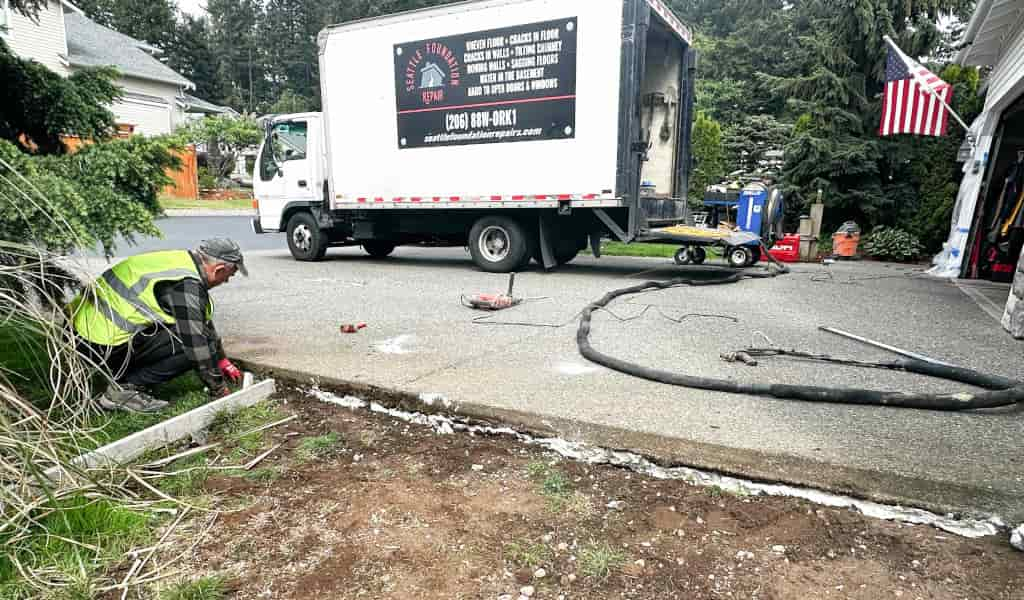
Small holes are drilled at selected locations to reach the space beneath the slab. Hole placement depends on the slab size, settlement pattern, and desired movement.
3. Inject and Lift
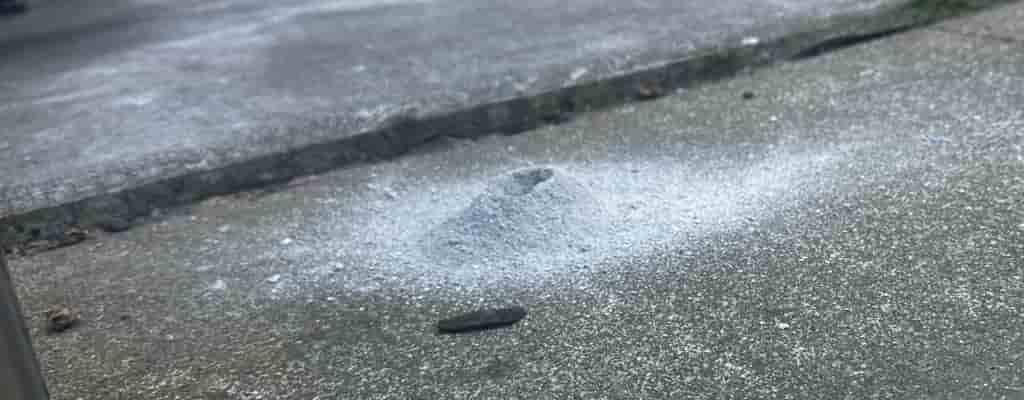
Expanding polyurethane foam is injected in controlled stages. The material fills accessible voids and applies pressure beneath the slab while the elevation is monitored.
4. Patch and Clean the Area
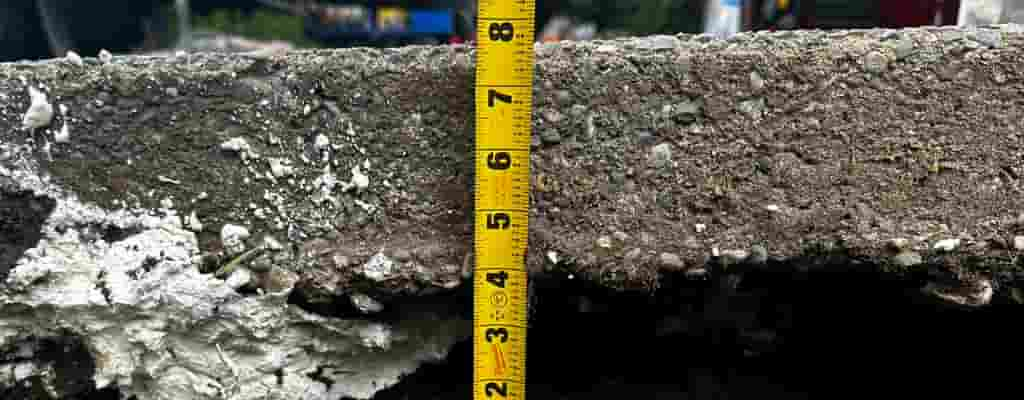
After the final elevation is checked, the injection holes are patched and the work area is cleaned. The exact result depends on slab condition, surrounding structures, and how far the concrete can move safely.
What Affects the Cost of Sunken Concrete Repair?
Every project is measured individually. The proposal can vary based on the number and size of slabs, the amount of settlement, void depth, access for equipment, nearby structures, and the number of injection points required. We provide a free inspection and a project-specific proposal with no hidden costs. Senior discounts are available.
Questions Property Owners Ask
Will lifting remove existing cracks?
No. Raising a slab can bring separated sections closer to their intended elevation, but existing cracks and surface damage remain visible and may require a separate repair.
Can lifting improve a drainage problem?
Correcting the elevation may improve surface flow when settlement caused a low spot. However, downspouts, grading, leaking lines, or other sources of water may require separate work.
Can every sunken slab be repaired this way?
No. The concrete must be in suitable condition, and there must be enough clearance to move it without damaging adjoining structures. We confirm those conditions during the inspection.
How long does the work take?
Project duration depends on the number of slabs, access, weather, and site conditions. We explain the anticipated schedule after inspecting the property.
Request a Sunken Concrete Inspection
Send photos and a short description of the affected area, or schedule an on-site assessment. We will determine whether lifting is appropriate and explain the proposed repair before work begins.
Restore the Slab Without Unnecessary Demolition
Request a Free Inspection
Concrete Leveling Service Area
Seattle Slab Jack provides concrete leveling services throughout the following communities:
- Seattle
- Bellevue
- Redmond
- Kirkland
- Issaquah
- Everett
- Tacoma
- Federal Way
- Lynnwood
- Mukilteo
- SeaTac
- Kent
- Renton
- North Bend
- Snohomish
- Shelton
- Arlington
- Montesano
- Harbor City
- Fern-Dells
- Lake Forest Park
- Seattle Heights
- Bothell
- Rickleys Flats
- South Bend
- Grace Lake
- Tumwater
- Winlock
- Capitol Hill
- Shoreline
Ready to discuss your concrete?
Seattle Slab Jack LLC
- LIC# SEATTFR80CG
- Phone: +1 (206) 460-7522
- Email: service@seattleslabjack.com
- Address: 12843 NE 14th Place, Bellevue, WA 98005